
Imagine sweltering in your living room, sweat trickling down your back, while your landlord plays the world’s longest game of hide-and-seek with your broken air conditioning. It’s a scenario many renters know all too well. When the summer heat cranks up and your AC decides to take a permanent vacation, it can feel like you’re stuck in a sauna instead of your cozy home.
Understanding Tenant Rights
Tenant rights play a crucial role when a landlord fails to fix the air conditioning. Knowing these rights helps renters navigate their situations effectively.
Legal Obligations of Landlords
Landlords must maintain rental properties in habitable condition. This includes ensuring air conditioning systems function properly. Guidelines vary by state, but most recognize that failure to repair significant issues like AC can violate health and safety codes. Tenants need to document all communications and requests. If a landlord remains unresponsive, legal remedies may become necessary.
Tenant Responsibilities
Tenants also carry specific responsibilities within the rental agreement. They must report problems like an inoperative AC promptly and in writing. Ensuring the property remains clean and not causing unnecessary damage is essential as well. Ignoring these obligations can weaken a tenant’s position if disputes arise. Documenting timely communication enhances a tenant’s case if they must escalate the situation.
Common Reasons for AC Issues
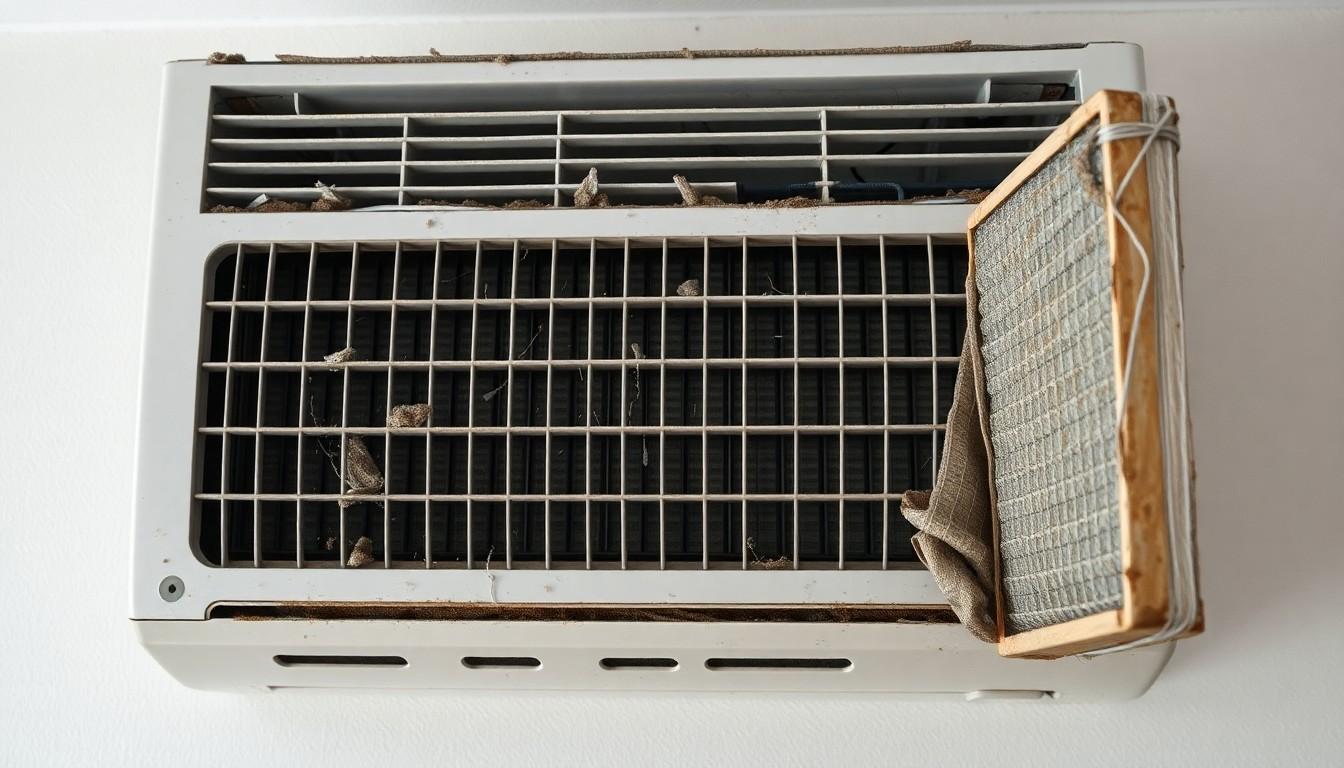
Air conditioning problems often stem from various factors that landlords might overlook. Understanding these can clarify why a unit remains unfixed for extended periods.
Lack of Maintenance
Regular maintenance is vital for an AC system’s longevity and performance. Neglecting routine check-ups can lead to issues like clogged filters or malfunctioning components. When landlords skip professional inspections or fail to replace worn-out parts, problems escalate. Building up dirt and debris can strain the system, resulting in inadequate cooling or breakdowns. Tenants often face discomfort due to these preventable issues, making it essential to emphasize maintenance responsibilities.
Age of the Unit
Older air conditioning units may struggle to meet modern cooling demands. Over time, systems wear down and become less efficient. Such units typically require more frequent repairs, as components degrade with age. It’s common for landlords to delay replacements, relying on outdated technology. An aging AC can also lead to higher energy bills for tenants, further complicating the living situation. Upgrading to newer models can provide better efficiency, ultimately benefiting both landlords and tenants.
Steps to Take When the AC is Not Fixed
Tenants often face challenges when their air conditioning breaks down. Taking the right steps can facilitate a resolution.
Documenting the Problem
Start by accurately documenting the issue. Keep a detailed record of the dates and times when the AC malfunctioned. Note the specifics of the problem, such as unusual noises or inadequate cooling. Photographic evidence can enhance documentation, capturing the condition of the unit. Collecting copies of all communication creates a solid foundation for any future claims. Maintaining a log of conversations can also help track responsiveness from the landlord. Documentation becomes crucial if legal action becomes necessary.
Communicating with Your Landlord
Effective communication can expedite the repair process. Begin with a polite yet firm message to the landlord about the AC issue. Clearly state the problem and its impact on daily living. Follow up on previous requests if timely repair has not occurred. Use emails or written letters to maintain a clear paper trail. In the communication, include any documentation collected to support claims. Express willingness to discuss further solutions or options. Keeping the conversation professional increases the likelihood of a positive response.
Escalating the Issue
Addressing a landlord’s inaction regarding air conditioning repairs often requires assertive steps. Taking formal approaches helps clarify the situation and paves the way for potential resolutions.
Writing a Formal Complaint
Submitting a formal complaint creates a documented record of the issue. Start with a clear description of the problem, including dates, requests made, and any responses received. Include references to relevant local laws or lease agreements stipulating a landlord’s maintenance responsibilities. Sending this complaint through certified mail establishes proof of receipt, ensuring the landlord cannot ignore the issue. Ensure all communication remains professional and factual, avoiding emotional language that may detract from the message.
Seeking Legal Advice
Consulting with a legal professional can provide guidance when a landlord fails to respond. Many tenants choose to discuss their situation with an attorney knowledgeable about tenant rights and housing laws. Researching local legal aid services offers valuable resources, especially for low-income tenants. An attorney can assess the situation and suggest possible actions, such as mediation or small claims court. Seeking counsel not only clarifies options but also strengthens a tenant’s stance in negotiations or disputes.
Alternative Solutions for Tenants
Tenants facing issues with a non-functioning air conditioner may consider several temporary solutions. These methods can help improve comfort while waiting on repairs.
Temporary Cooling Solutions
Fans can provide immediate relief by circulating air and creating a cooling effect. Utilizing window or box fans enhances ventilation and reduces indoor temperatures. Ice packs or bowls of ice set in front of fans can create a DIY air conditioning effect. Dampening towels and placing them on skin also offers relief from heat. Additionally, closing blinds or curtains during the hottest hours of the day minimizes sun exposure and keeps rooms cooler.
Resources for Assistance
Tenants can seek various resources for assistance in addressing air conditioning problems. Local housing authorities often provide information on tenant rights and local regulations. Legal aid organizations can offer guidance on escalating issues with unresponsive landlords. Community resources may also connect tenants to local advocacy groups focused on housing rights. Furthermore, online platforms and forums provide advice from fellow renters on handling similar situations. Using these resources, tenants can navigate their rights more effectively and find ways to mitigate discomfort.
Facing a landlord who won’t fix the air conditioning can be incredibly frustrating. It’s essential for tenants to know their rights and responsibilities in these situations. Documenting all communications and understanding local laws can empower renters to take necessary actions.
While waiting for repairs, utilizing temporary cooling methods can help alleviate discomfort. Engaging with local resources and seeking legal advice can further strengthen a tenant’s position. By staying informed and proactive, renters can navigate these challenges effectively and work toward a resolution that ensures their living conditions remain comfortable and habitable.