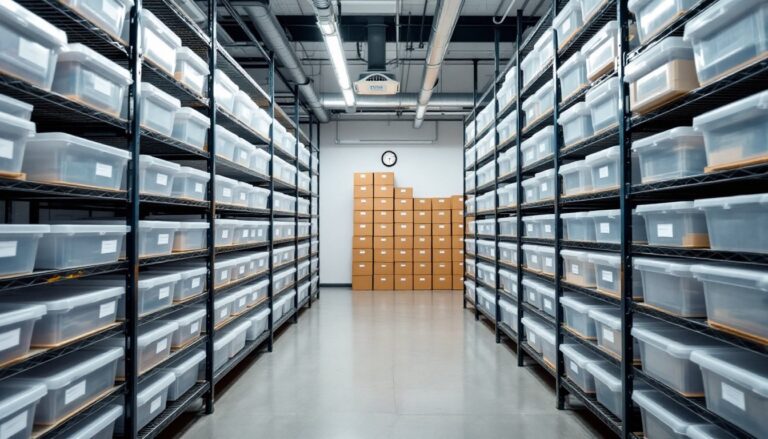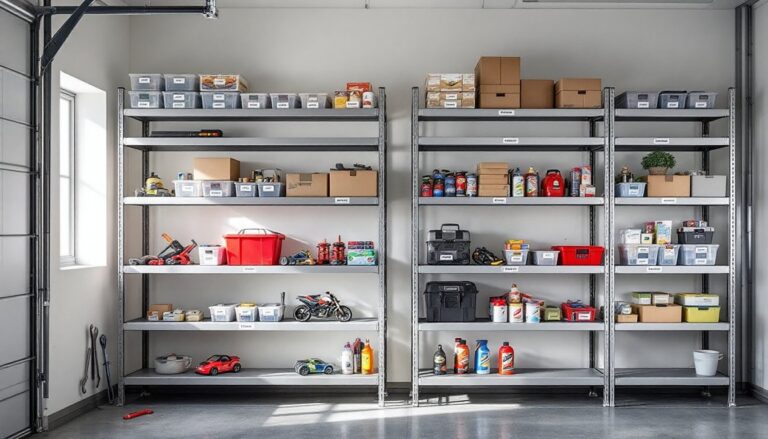
Clutter has a way of spreading through a house like sawdust in a workshop, one small pile becomes two, then three, and suddenly you can’t find anything. iDesign storage bins offer a straightforward solution to this common problem. These durable, affordable containers come in dozens of sizes and styles, making them a practical choice for kitchens, bedrooms, bathrooms, and closets. Whether you’re tackling a seasonal cleanout or building a long-term organization system, understanding what iDesign offers and how to use these bins effectively can transform how you store and access everyday items throughout your home.
Table of Contents
ToggleKey Takeaways
- iDesign storage bins combine durable, stackable construction with affordable pricing and thoughtful proportions that fit standard shelves and cabinets without awkward gaps.
- Choose clear bins for visible spaces and off-season storage to easily verify contents, while opaque options work better for open shelving and items you want to conceal.
- Measure shelf widths and cabinet dimensions before purchasing bins to avoid frustrating fit problems and ensure your storage solution actually works in your space.
- Label all bins and document contents immediately, treating them like kitchen inventory—unlabeled bins become clutter in disguise and defeat the purpose of organization.
- Stack plastic bins no more than three or four high, place heavier items in lower bins, and use interlocking bases or non-slip mats to prevent shifting and damage.
- Start organizing with one problem area, such as a closet or under-sink cabinet, then build outward using appropriately sized iDesign bins to create a manageable, long-term system.
What Makes iDesign Storage Bins Stand Out
iDesign has earned a reputation in the home organization category by focusing on practical, no-nonsense products. Their bins are made from durable plastic or reinforced materials designed to handle regular use without cracking or warping. Most models stack securely, which matters when you’re building vertical storage in tight spaces. The bins come in clear or opaque options, clear lets you see contents at a glance, while opaque versions hide miscellaneous items and suit open shelving better.
What sets iDesign apart is their attention to proportions. Their bin dimensions align with standard shelf heights and cabinet widths, so you won’t end up with awkward gaps. Handles are usually integrated into the design rather than bolted on, reducing snag points and making bins easier to grab and pull. The price point sits below premium organizers but above the flimsy bins that collapse after a season. For DIY-minded homeowners, this balance between quality and affordability makes iDesign a solid workhorse choice rather than a luxury brand.
Best iDesign Storage Bins for Kitchen Organization
Kitchen drawers and cabinets fill up fast. Deep shelves meant for large pots become dumping grounds for random gadgets, and undersink areas turn into chaotic piles of bottles and supplies. iDesign offers several bins sized specifically for these problem zones.
For pantry shelves, their larger rectangular bins work well. A standard 12-inch by 9-inch bin slides neatly under most pantry shelves and holds snack boxes, baking supplies, or pasta. Label the front so everyone knows what’s inside, masking tape and a marker work fine, or invest in a label maker if you want a polished look.
Under the sink demands a different approach. Bottles of cleaner, drain treatments, and sponges need accessible, waterproof homes. Smaller iDesign bins with flat bottoms prevent tipping when the cabinet floor isn’t perfectly level. Keep frequently used items in shallower bins near the front, and reserve deeper containers for bulk supplies.
Drawer organizers from iDesign’s lineup solve the utensil drawer problem. Dividers or small bins keep spatulas, wooden spoons, and whisks from tangling. Kitchen junk drawers vanish when you corral pens, takeout menus, and rubber bands in designated bins.
Pro tip: Don’t pack bins so densely that you can’t easily pull items out. Overstuffed bins defeat the purpose of organization, you’ll just grab what’s convenient rather than what you actually need.
iDesign Storage Bins for Bedroom and Closet Organization
Bedroom closets are where organization either works or collapses. Off-season clothes, shoes, and accessories need to be stored so you can retrieve them without demolishing the stack above. iDesign bins excel here because they’re stackable and come in sizes that fit standard closet shelves.
For off-season storage, larger bins hold sweaters, winter coats, or summer shorts. Clear bins let you confirm contents without opening every box when the seasons change. Stack them 2-3 high on upper shelves, the weight of heavy fabrics means security matters, so ensure bins are truly locked together and sit on stable shelving.
Shoe storage benefits from shallow, wide bins. A 24-inch by 12-inch bin holds roughly 8-12 pairs depending on shoe type. Arrange shoes with heels or toes pointing the same direction so you can scan quickly. Many people find open shelving with individual shoe bins works better than hiding everything in the back of the closet, you’re more likely to actually wear shoes you can see.
Under-bed storage is where iDesign bins really shine. Measure your bed clearance first, most beds sit 8 to 10 inches off the ground, so look for low-profile bins. Under-bed containers hold guest linens, extra pillows, or seasonal decorations. Wheels on the bottom of some models make sliding bins out and back painless.
Closet shelves crowded with loose items become eyesores. Small bins group belts, scarves, or folded t-shirts, and they keep the visual clutter down even if shelves are visible from the bedroom.
Bathroom and Under-Sink Storage Solutions
Bathrooms are compact, humid spaces where poor storage breeds mold and water damage. Medicines, cosmetics, hair tools, and cleaning supplies compete for limited cabinet real estate. iDesign bins rated for moisture-prone areas prevent this chaos.
Under-sink bathrooms often leak or sweat from humidity. Choose plastic bins without fabric linings so water can evaporate and won’t soak into materials. Taller, narrower bins fit better than wide, flat ones in the typical pedestal-sink undercarriage. Keep cleaners and harsh chemicals in one bin, far from personal care items, and label accordingly.
Medicine cabinet inserts work wonders if your cabinet is a jumble of loose bottles and tubes. A clear iDesign organizer tray lets you see what’s there and prevents small items from disappearing in the back. Secure it so it doesn’t slide when you open the cabinet door.
Hair tools, blow dryers, straighteners, curling irons, need ventilation as they cool after use. A tall, open-sided bin with space between items prevents heat damage and cord tangling. Some people hang heat tools on magnetic strips or hooks instead, which saves bin space for items that actually need containment.
For linen closets adjacent to bathrooms, medium-sized bins organize towels by color or guest towels separately from everyday ones. Stack linens flat rather than rolling them to maximize bin capacity and reduce wrinkles.
Moisture-control matters in bathrooms. Bins with ventilation holes or open-weave designs outperform fully sealed models in humid climates. Silica gel packets placed near stored items help absorb excess moisture.
How to Choose the Right Size and Style for Your Space
Walk around your home with a tape measure before buying bins. Measure shelf widths, cabinet interior dimensions, and vertical clearances. A bin that’s one-half inch too wide creates mounting frustration, it won’t slide in, and you’ll resent buying it.
Understand your actual usage. If you open a bin twice a month, deeper is better for bulk storage. If you access items daily, shallower bins let you reach in without leaning or removing items above. Heavy items belong in lower bins: lighter ones work on shelves.
Mix clear and opaque intentionally. Open shelving or visible spaces benefit from clear bins so you can see contents without opening each one. Cabinet interiors tolerate opaque bins. Opaque also works better for items you want to conceal, holiday decorations, old toys headed for donation, or backup supplies that shouldn’t broadcast themselves visually.
Color coordination isn’t just aesthetics. A unified color scheme, all white, all clear, or all neutral, makes spaces feel organized even if bins contain mixed items. Avoid the rainbow effect of different-colored bins unless your design scheme specifically calls for it.
Stack height matters for structural integrity and safety. Don’t stack plastic bins more than three or four high unless the manufacturer specifies higher capacity. Top-heavy stacks tip easily. Recent home organization tips emphasize weight distribution, heavier bins at bottom, lighter at top.
Tips for Maximizing Storage and Keeping Items Accessible
Organization fails when people can’t easily access items or forget what they’ve stored. Treat bin contents like kitchen inventory, label everything and rotate stock. Use a label maker or waterproof tape and permanent marker so you know exactly what’s where. Date bins when you store off-season items so you remember how long they’ve been sitting.
Group by category and frequency. Daily-use items go in accessible locations: seasonal or occasional-use items belong higher or deeper. Grab-and-go bins near exits hold things you take on trips. Bins for supplies or backups sit out of the way.
Don’t let bins become hidden dumping grounds. Set a rule: when you store something, you document it or you remember it. Bins stuffed with unidentified items are clutter in a new form. Every few months, audit bins to remove items you no longer use.
Accommodate future growth. Leave 10-15% of bin capacity empty, life expands, and tightly packed bins become inaccessible fast. If a bin is 100% full, it’s too full.
Secure stacked bins. The clear storage solutions that work best use interlocking bases or included connectors. If bins slide around, they’re unstable and items inside get damaged. Velcro strips or non-slip mats under bottom bins prevent sliding on smooth shelves.
Consider small space challenges. In apartments or tight homes, vertical storage is critical. Tall, narrow bins use less floor space than wide shallow ones. Wall-mounted shelves with appropriately sized bins multiply available storage without consuming room dimensions.
Conclusion
iDesign storage bins solve real organization challenges without requiring renovation or professional installation. They’re affordable enough to buy in quantity, durable enough to last years of regular use, and diverse enough to fit nearly any space and purpose. Start with one problem area, a chaotic closet, an overstuffed cabinet, or an under-bed void, and build from there. Small space living solutions often begin with a single smart storage choice that leads to bigger changes. Measure, choose appropriately sized bins, label them, and stick to a system. You’ll find clutter easier to manage and items easier to locate.