Whether you’re a homeowner bursting at the seams with seasonal decorations or a small business owner drowning in paperwork and inventory, renting office storage space has become a practical necessity, not just a luxury. In 2026, the storage rental market offers more flexibility and accessibility than ever before. This guide walks you through everything you need to know about finding, choosing, and maximizing an office storage rental that fits your needs and budget.
Table of Contents
ToggleKey Takeaways
- Renting office storage space for rent eliminates clutter and boosts productivity by creating a clear separation between living or working zones and stored items.
- Climate-controlled storage ($100–$300+ monthly) protects sensitive documents, electronics, and furniture, while standard units ($50–$150 monthly) work well for sturdy items like tools and sports equipment.
- Security features, accessibility within 10–15 minutes, and a pre-rental inspection for moisture and ventilation are critical factors when choosing a storage facility.
- Organized storage with labeled containers, inventory lists, and a strategic layout increases efficiency by up to 30% and prevents wasted time searching for items.
- Total storage rental costs should be budgeted conservatively to account for hidden fees, insurance ($10–$30/month), and seasonal price fluctuations that can increase effective monthly expenses significantly.
Why Office Storage Space Rental Is a Smart Home and Business Solution
A cluttered home or workspace doesn’t just look bad, it kills productivity. According to organization experts, a disorganized environment drains mental energy and makes it harder to focus on what matters. Renting dedicated office storage solves this without forcing you to rebuild your home or relocate your business.
For homeowners, extra storage means you don’t have to sacrifice living space for seasonal items, holiday decorations, or sports equipment. For small business owners, it provides secure, climate-controlled space for inventory, archives, or equipment without paying commercial real estate premiums. The flexibility of month-to-month leases also means you’re not locked into a long-term commitment if your needs change.
Most importantly, having a clear separation between your living or working space and your storage keeps both zones functional. You work harder when your desk isn’t buried under boxes, and you relax better when your garage isn’t converted into a filing cabinet.
Types of Office Storage Spaces Available for Rent
Climate-Controlled and Standard Storage Options
Not all storage is created equal, and choosing the wrong type will cost you money and headaches. The two main categories are climate-controlled units and standard (non-climate-controlled) units.
Standard storage units work fine for sturdy items: tools, metal shelving, plastic bins, sports gear, and furniture. These typically cost $50–$150 per month depending on size and location. They’re exposed to temperature swings and humidity, which is fine for items that won’t degrade.
Climate-controlled storage maintains consistent temperature (usually 55–85°F) and humidity levels, protecting sensitive materials like documents, photos, electronics, and wooden furniture from warping or mold. Expect to pay $100–$300+ monthly, but the protection is worth it if you’re storing anything valuable or irreplaceable. According to home organization resources, protecting archived documents and electronics from environmental damage prevents costly replacements down the road.
Size matters too. A 5×5 unit (roughly 25 square feet) holds a few boxes and small furniture pieces. A 10×10 unit (100 square feet) fits most home office overflows or small business inventory. Units go up to 20×20 or larger for bigger operations. Start by measuring what you’re actually storing, don’t rent more space than you need just in case.
What to Look for When Choosing an Office Storage Facility
Security, Accessibility, and Location Considerations
Security is non-negotiable. Look for facilities with 24-hour surveillance cameras, gated access, and individual unit locks. Ask whether the facility is staffed during business hours and what happens if you need emergency access on a weekend. Some facilities offer keypad entry codes: others require an on-site manager.
Accessibility matters more than people think. If you’re storing materials you’ll need to access weekly, a storage unit 30 minutes away becomes a real burden. Choose a location within 10–15 minutes of your home or office. Also, check access hours: some facilities close at 6 p.m., others offer 24/7 drive-up access. For a small business, round-the-clock availability might be critical.
Inspect the actual unit before signing. Look for signs of moisture, pests, cracks, or rust. A clean, dry unit with proper ventilation is essential, moisture damage can happen quickly in humid climates. Real estate and home design trends show that storage facility conditions have become a major factor in renters’ decision-making, with humidity control and cleanliness ranking highest.
Get everything in writing: the monthly rate, any hidden fees (administration, late payment, lock-cutting fees), insurance requirements, and the cancellation policy. Some facilities offer move-in discounts or free first months, ask about those, but don’t let a discount override security or location concerns.
How to Organize and Maximize Your Rental Storage Space
A messy storage unit defeats the purpose. Organization is the difference between finding what you need in 30 seconds and wasting an hour digging through boxes.
Start with an inventory list. Write down every item or box as you pack it, and take photos of the box contents before sealing. This takes 20 extra minutes upfront but saves you from returning to the unit five times trying to remember where you put something.
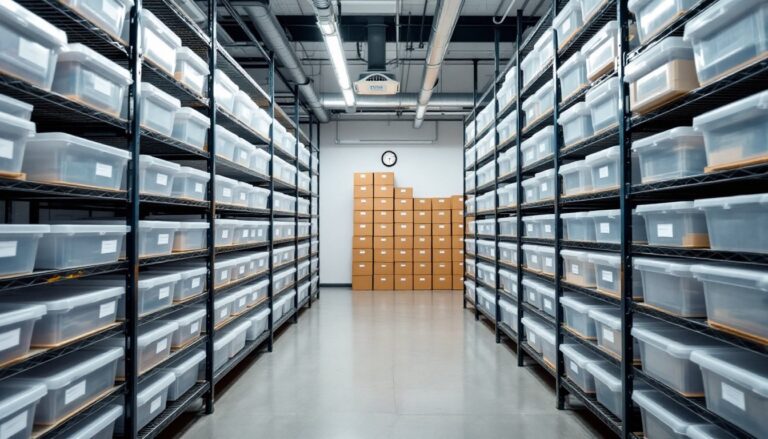
Use uniform, labeled containers. Mismatched boxes and random piles waste space and time. Invest in stackable plastic bins (ideally the same size and brand) with clear labels on at least two sides. You’ll see at a glance what’s stored where without opening every box. Design and organization guides emphasize that clear labeling and consistent container sizes improve storage efficiency by up to 30%.
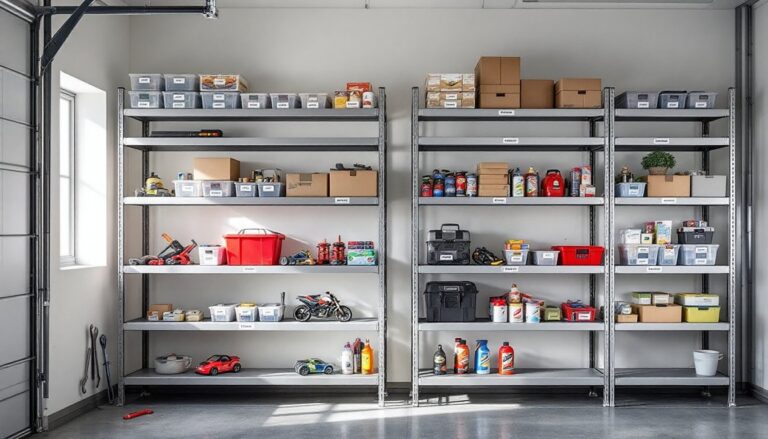
Stack strategically. Put heavier items on the bottom, lighter ones on top. Use vertical space, shelving units designed for storage units let you stack boxes three or four high instead of two. Leave a walking aisle in the middle so you can access items without moving everything else.
Store seasonal items smartly. Holiday decorations, winter clothes, and summer gear should be easy to pull out when you need them. Keep them at eye level or on easy-to-reach shelves rather than buried at the back or top.
Keep a master map. As you arrange items, sketch a simple diagram of the unit layout on paper or your phone. “Christmas boxes on left shelf, winter coats on right, office furniture in back.” You don’t need fancy software: a quick mental map or photo prevents unnecessary searching.
Cost Factors and Budget Planning for Storage Rentals
Storage rental costs depend on several factors, and understanding them helps you avoid sticker shock.
Unit size is the biggest driver. A 5×5 unit runs $50–$100 monthly: a 10×10 jumps to $100–$200: larger units cost $200–$500+. Climate control adds 30–50% to these prices depending on your region.
Location matters significantly. Urban areas and cities with high real estate values charge more. A 10×10 unit in a major metropolitan area might cost $250/month, while the same unit in a smaller town costs $80/month. Proximity to major roads and business districts also affects pricing.
Seasonal demand fluctuates. Summer (move season) brings higher rates. If you can wait until fall or winter, you’ll negotiate better prices. First-month discounts and move-in specials are common during slow seasons.
Hidden fees add up fast. Administration fees ($20–$50), late payment penalties ($10–$25/day), utility surcharges for climate control, and lock-cutting fees can double your effective cost. Always ask for a complete fee breakdown before signing.
Insurance is essential but often optional. Most facilities won’t require it, but if your unit is damaged by fire, flood, or theft, the facility’s basic coverage is limited. Renters’ insurance for storage typically costs $10–$30/month and protects your items fully. It’s worth it for anything valuable.
Budget conservatively. If a facility quotes $120/month, assume $150–$180 with fees and insurance. Then decide if that fits your budget for the duration you’ll need storage.