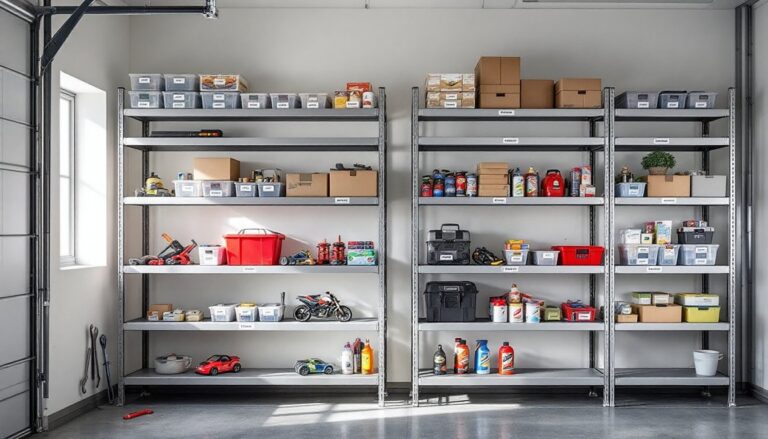
Clutter doesn’t announce itself, it creeps in gradually, corner by corner, until a dresser drawer won’t close and the closet door barely stays shut. The difference between a chaotic home and an organized one often comes down to smart storage solutions. Whether dealing with a tiny apartment or a sprawling house, maximizing storage means reclaiming lost square footage and making daily routines faster and less frustrating. This guide walks through practical storage strategies for every room, from vertical space tactics to closet systems that actually work. Better organization isn’t about buying more, it’s about using what you have more efficiently.
Table of Contents
ToggleKey Takeaways
- Oracle storage solutions maximize vertical wall space and eliminate clutter by using shelving, hooks, and pegboards without sacrificing floor area in small rooms.
- Double-hanging rods, shelf dividers, and vacuum-sealed seasonal storage instantly double closet capacity and prevent the avalanche effect when retrieving items.
- Kitchen pantry organization with clear airtight containers, lazy Susans, and labeled shelves prevents food waste and prevents 30-40% of cabinet space from going unused.
- Under-bed rolling bins and furniture with built-in storage provide significant square footage for seasonal items and off-season gear that most people ignore.
- Weekly five-minute resets and seasonal audits maintain long-term organization, while simple labeling systems and item limits prevent reaccumulation and keep families aligned.
- Well-designed storage systems reduce daily stress, improve mental clarity, and protect belongings from dust, moisture, and pests while making routines faster and more efficient.
Why Home Storage Matters for Organization and Daily Living
A well-organized home saves time every single day. When everything has a designated spot, morning routines move faster, and you waste less time searching for lost items. Poor storage breeds resentment too, a closet so crowded you can’t find anything, or a kitchen where utensils get shoved randomly, creates daily friction.
Beyond convenience, adequate storage protects your belongings and home. Clutter traps dust, moisture, and pests. Overstuffed closets crush fabrics and invite mildew. Disorganized kitchens lead to food waste when items get buried and forgotten. Thoughtful storage prevents these problems while improving safety, clear floors and properly anchored shelves mean fewer tripping hazards.
Good storage also improves mental clarity. Research in environmental psychology shows cluttered spaces increase stress and reduce focus. When you can see and access your belongings easily, you feel more in control. The investment in storage solutions pays back in reduced anxiety and improved daily function.
Maximizing Vertical Space in Small Rooms
Vertical storage is the secret weapon for small rooms. Most homes waste wall space above eye level, prime real estate for shelving, hooks, and floating cabinets.
Wall-mounted shelving transforms dead space without eating floor area. Floating shelves work best, but traditional bracket-supported shelves (installed into studs with appropriate anchors) offer more weight capacity. Measure carefully: studs in most homes run 16 inches on center, though some older houses space them 24 inches apart. Locate studs with a stud finder before drilling.
Hook systems are underrated. Pegboards, ladder shelves, and wall-mounted rod systems let you hang baskets, bins, and tools vertically. A single wall peg system above a desk can consolidate supplies that otherwise scatter across drawers. In a bedroom, hooks beside the closet hold tomorrow’s outfit and keep chairs from becoming clothes racks.
Over-door organizers add surprising capacity, one clear shoe organizer holds office supplies, kitchen spices, or craft materials. They’re easy to install (no tools needed beyond a level) and rentable-friendly.
When installing shelves, remember: drywall anchors alone won’t support heavy loads. For items over 10 pounds per shelf, anchor into wall studs. Distribute weight evenly and never exceed manufacturer specifications. Sagging shelves are both ugly and dangerous.
Closet Organization Systems and Best Practices
Closets are where storage often fails because they’re tackled last. A few structural improvements unlock real capacity.
Double-hanging rods are the first move. Most closets have a single rod 60-65 inches from the floor. Install a second rod 30-36 inches above the first using a heavy-duty closet rod and simple brackets. This instantly doubles hanging capacity for shirts, pants, and dresses. Measure your closet depth (typically 24 inches) to ensure rods don’t interfere.
Shelf dividers and stackable bins prevent the avalanche effect when you grab one sweater and five others tumble down. Acrylic dividers keep folded items upright and visible. Clear bins let you see contents without opening, essential for seasonal storage.
Pull-out baskets and drawers maximize dead corner space and lower shelves. Many DIYers overlook the floor of a closet: sliding bins there store shoes, off-season gear, or rarely-used items. If your closet has shallow shelving, tiered shelf dividers add a level without permanent changes.
For a rentable solution without drilling, systems like IKEA’s modular closet organizers and tension rod setups deliver surprisingly sturdy results. Anchoring is still necessary for safety, a collapsing closet rod could injure someone.
One practice separates organized closets from chaos: rotate seasonal items. Summer clothes and winter gear take up duplicate space: store off-season items in labeled vacuum bags on a high shelf or spare closet.
Kitchen Pantry and Drawer Storage Solutions
Kitchen storage fails when items get lost in the back. Visibility and accessibility are everything.
Pantry organization starts with containers. Transfer dry goods, flour, sugar, pasta, cereal, snacks, into airtight containers with labels. This solves multiple problems: it keeps pests out, prevents staleness, and makes inventory obvious. Clear containers let you see when you’re running low. Mason jars and glass containers double as décor while staying functional.
Shelf tiers and risers create layers within pantry space. A 6-inch riser on a shelf creates room for cans or smaller boxes underneath, tripling usable depth. Lazy Susans in pantry corners (the deep spots most people ignore) make rotating spice bottles and condiments effortless.
Drawer organization in the kitchen prevents the junk-drawer spiral. Dividers tailored to your utensils, knife blocks for blades, tiered organizers for measuring cups, keep tools accessible and prevent damage. The Kitchn’s kitchen storage strategies detail how most kitchens waste 30-40% of cabinet and drawer space through poor organization.
Vertical can dispensers and tiered shelves in cabinets prevent the can-rolling-off-the-shelf scenario. Mount them on cabinet doors to reclaim internal space. Under-sink organizers with pull-out drawers make cleaning supplies and trash bags easy to grab without kneeling and reaching.
Label everything, especially pantry shelves. Dates on containers prevent waste. When family members know where to find items and where to return them, the whole system holds up.
Under-Bed and Furniture Storage Options
Under-bed storage is massive square footage most people ignore. Bed risers or platform bases gain several inches of clearance underneath.
Low-profile rolling bins fit under standard beds and drawers pull out easily for seasonal items, extra bedding, or rarely-accessed suitcases. Measure clearance first, some beds only provide 6-8 inches, limiting options. Shallow bins work better in tight spaces than deep ones that require full-bed removal to access items three rows back.
Ottoman and bench storage doubles as seating while hiding blankets, toys, or media equipment. These are perfect for living rooms and bedrooms where floor space is premium.
Storage bed frames with built-in drawers eliminate the rolling-bin step and look neater. The trade-off: cost is higher, and drawers can be awkward on carpeted floors. On hard flooring, they glide smoothly.
Under-stair storage, if your home has them, shouldn’t be ignored. Angled storage boxes fit the space perfectly, holding seasonal décor, off-season clothing, or children’s toys. Ensure whatever you store stays dry and pest-free, seal gaps and avoid damp basements where moisture compromises fabric and wood.
When choosing furniture with storage, prioritize durability over novelty. A flimsy bench that collapses under weight defeats the purpose. Look for furniture rated for actual loads, check weight limits before purchase. Real Simple’s organization strategies recommend furniture storage for homes where wall-mounting isn’t feasible or rental agreements prohibit it.
Creating a Maintenance Plan for Long-Term Organization
Organization fails without maintenance. A system that works for three months but collapses by month four wastes the initial effort.
Weekly resets are minimal but essential. Five minutes each evening returning items to their homes prevents creep. One morning a week, reorganize high-traffic areas, kitchen counters, entryway shelves, nightstands. This catches drift before it becomes clutter.
Seasonal audits (spring and fall) let you refresh storage. Rotate seasonal items, donate clothes that haven’t been worn, and reassess bin labels and contents. A spring closet cleanout ensures summer rotation actually happens. Don’t store items “just in case”, if you haven’t used something in two years, it’s taking up space.
Labeling systems matter more than people admit. When family members can’t find the “backup batteries” bin or don’t know where coat hooks are, things end up in the wrong spots. Make a simple index on your phone or fridge: “Seasonal Items: Hall Closet, Upper Shelf, Left Side.” This takes 10 minutes but saves constant searching.
Setting item limits prevents reaccumulation. Decide: “This closet holds 30 items max,” or “Kitchen junk drawer gets one bin, no more.” Enforcement isn’t strict, it’s a guardrail. When you hit the limit, something old leaves before something new arrives.
The real secret is designing systems so simple they don’t require willpower. If putting something away takes three steps, it won’t happen consistently. If it takes one step, it becomes automatic. Start small, test your system for a month, and adjust based on what actually works for your household’s rhythm.