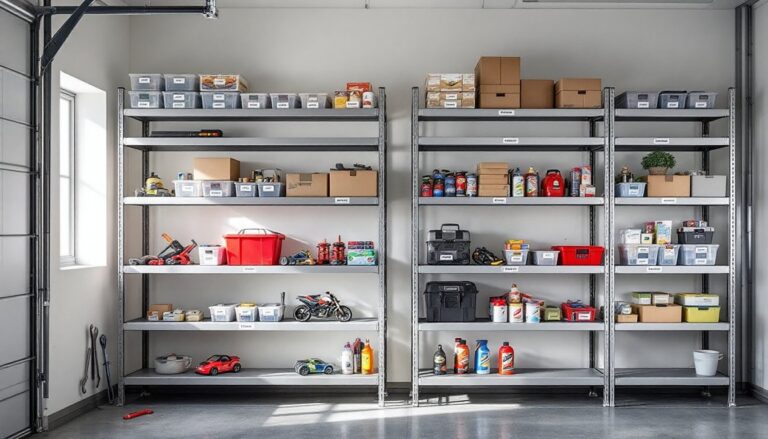
Ammunition storage isn’t glamorous, but it’s essential. Whether you’re a hunter, sport shooter, or homeowner who keeps firearms for self-defense, how you store your ammo directly affects safety, longevity, and legal compliance. Improper storage can degrade ammunition performance, invite theft, or create hazards if children or unauthorized visitors access your home. The good news: with the right containers, organization system, and environmental controls, you can create a secure, efficient ammo storage setup that keeps rounds ready and protected. This guide walks you through practical solutions for storing ammunition safely at home.
Table of Contents
ToggleKey Takeaways
- Proper ammo storage solutions prevent ammunition degradation, ensure legal compliance, and protect unauthorized access by keeping rounds in cool, dry, locked containers away from moisture and temperature extremes.
- Metal ammo cans and dedicated ammunition cabinets with desiccant packs are the most effective containers for maintaining ammunition safety and performance over time.
- Organize ammunition by caliber and use type, then track your inventory with labels and documentation to prevent accidents, avoid overbuying, and rotate older stock first.
- Store ammunition in climate-controlled interior spaces maintained between 50–85°F and 30–50% humidity, and avoid attics, sheds, or basements prone to temperature swings and moisture buildup.
- Adding a second layer of security with a locked closet or cabinet—beyond the container itself—demonstrates responsible ownership and reduces liability if unauthorized users gain access.
Why Proper Ammunition Storage Matters for Homeowners
Ammunition is a consumable product with a shelf life, and storing it correctly preserves performance and safety. Moisture is the primary enemy, when rounds corrode, primers fail to ignite reliably, powder absorbs moisture, or brass cases develop weak points, you’re left with misfires or worse, dangerous overpressure when fired.
Second, ammunition must be secured against unauthorized access. State and federal laws don’t uniformly mandate locked ammo storage, but liability laws in many jurisdictions hold you responsible if a household member (including children) gains unsupervised access. If someone is injured because ammunition was left accessible, you face both civil and criminal liability. Even if local laws don’t require it, responsible ownership does.
Third, ammunition loses effectiveness over time when exposed to temperature swings and humidity. Military-grade ammunition stored properly can remain viable for decades, but commercial hunting and target rounds degrade faster under poor conditions. Proper storage buys you reliability when you need it.
Best Containers and Cabinets for Secure Ammunition Storage
Metal Ammo Cans and Lockable Boxes
Metal ammo cans (typically 50-caliber and 30-caliber surplus military cans) are the workhorse of ammo storage. They’re affordable ($10–30 each), airtight with rubber gaskets, stack easily, and offer basic security via padlock. The downside: they don’t isolate ammunition from temperature swings and they lack organization inside, so you’ll need to sub-divide with smaller boxes or pouches.
If you go the ammo can route, pair them with desiccant packs (silica gel) to manage humidity. Store them in a cool, dark space away from exterior walls and basements prone to moisture fluctuations.
Lockable metal ammunition boxes offer a step up. Models like locking steel chests ($30–80) keep moisture out and provide a keyed or combination lock. They work well for smaller collections (500–2,000 rounds). Check that the gasket is intact and dry before sealing.
Dedicated Ammunition Cabinets
For serious shooters or larger collections, a dedicated ammunition cabinet is worth the investment. These are fire-rated, moisture-controlled metal or composite cabinets ($200–1,000+) designed specifically for ammo and sometimes firearms. Premium models include electronic locks, adjustable shelving, and climate control features.
Key features to look for:
- Fire-rated construction: Look for 30–60 minute fire ratings if storing large quantities.
- Moisture barrier: Ensure the cabinet has good seals and space for desiccant packs.
- Lock mechanism: Electronic locks offer convenience: mechanical locks are reliable and don’t require power.
- Interior organization: Shelves or dividers help separate calibers and ammunition types.
These cabinets are heavier and permanent installations, so choose placement carefully (a climate-controlled closet, basement, or garage corner away from heat sources). A dedicated cabinet signals serious, responsible ownership to family members and visitors alike.
Organizing Your Ammunition by Type and Caliber
Once you’ve chosen a container, organize inside it. Chaos leads to forgotten ammunition, double-buying, and lost track of what you actually have. A simple labeling and sorting system pays off fast.
Sort by caliber first. If you shoot 9mm, .45 ACP, .308, and .30-06, keep each caliber in its own section. Use plastic storage boxes, zippered bags, or cardboard ammo boxes within your larger container. Label everything clearly, painter’s tape and a marker works fine, or print labels for a more permanent solution.
Then subdivide by use. Within each caliber, separate practice ammunition, hunting rounds, and self-defense ammunition. Hunting loads (often heavier, more expensive) should never get mixed with range brass. This prevents accidentally grabbing reduced-power practice ammo when you need hunting performance.
Track what you have. Use a simple spreadsheet or notebook: caliber, quantity, purpose, purchase date. This helps you rotate stock (shoot older ammunition first), know when you’re running low, and avoid overbuying. If you ever need to account for ammunition for legal reasons, documentation supports your case.
Consider small, clear storage boxes. Stackable plastic bins ($2–5 each) let you see contents at a glance without opening the main container. They also protect rounds from dust and allow quick grabbing of what you need without disturbing the rest of your supply.
Environmental Conditions: Temperature, Humidity, and Location
Where you store ammunition matters as much as how. Ammunition is sensitive to temperature extremes and humidity.
Temperature: Ammunition performs best between 50°F and 85°F. Avoid storage near furnaces, water heaters, or direct sunlight. Basements can work if they stay dry, but they’re often damp and subject to temperature swings during seasonal changes. A climate-controlled interior closet, especially in a hallway or interior wall, is ideal because those spaces maintain stable temperature year-round.
Do NOT store ammunition in an attic or shed. Attics swing from freezing in winter to over 120°F in summer, causing primer degradation and powder breakdown. Sheds and garages offer no climate control, leaving rounds vulnerable to rust and moisture.
Humidity: The sweet spot is 30–50% relative humidity. Above 60%, corrosion accelerates. Basement corners near exterior walls or uninsulated spaces are high-risk zones. Use desiccant packs (silica gel, rechargeable types) inside sealed containers. Replace or recharge them every 6–12 months. A small hygrometer ($10–20) lets you monitor moisture levels inside your storage container.
Location considerations: Store ammunition away from living spaces where you spend time (in case of fire, you want distance). Keep it away from fuel, solvents, and other reactive materials. Secure the storage location with a lock, even if your container is lockable, a locked closet or cabinet adds a second layer of security that discourages casual access.
One creative solution homeowners use is building a dedicated storage compartment. Some DIY builders have created wooden ammo boxes from pallet wood, adding waterproofing and mounting them in climate-controlled spaces. If you’re handy with basic carpentry, resources like Ana White offer free plans for simple storage boxes that you can adapt. For more advanced guidance on building storage structures or understanding material selection, Fine Homebuilding provides detailed construction techniques and climate control principles.
Conclusion
Good ammo storage is unglamorous but non-negotiable. A locked, moisture-controlled container in a stable climate preserves ammunition performance, secures it against unauthorized access, and demonstrates responsible ownership. Whether you start with a surplus ammo can and desiccant packs or invest in a dedicated climate-controlled cabinet, the foundation is the same: keep it cool, dry, organized, and locked. Your future self, and the law, will thank you.