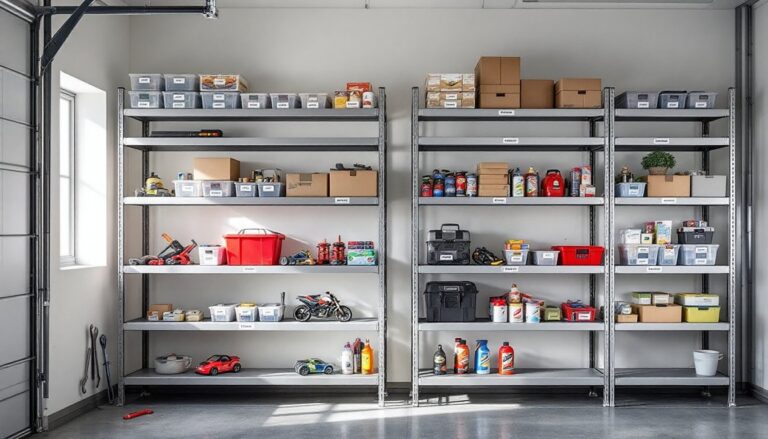
Clutter doesn’t just make a home look messy, it steals time, frustrates you daily, and makes spaces feel smaller than they are. Carolina storage solutions are designed to tackle exactly this problem by offering practical, customizable systems that fit real homes and real budgets. Whether you’re dealing with a cramped bedroom closet, an overflowing kitchen pantry, or a garage that’s become a catch-all dumping ground, smart storage transforms how you live in your space. The right storage approach isn’t just about buying containers: it’s about understanding your home’s unique layout and choosing solutions that actually work with your lifestyle. In this guide, we’ll walk through the options available to homeowners and DIYers, from ready-made systems to DIY customization, so you can reclaim your space without very costly or your back.
Table of Contents
ToggleKey Takeaways
- Carolina storage solutions use durable, moisture-resistant materials like powder-coated steel to prevent warping and mold in humid climates while maximizing vertical space.
- Double your closet hanging capacity by adding a second rod at half height, and reinforce all mounting brackets directly into wall studs to safely support loaded shelving.
- Pull-out shelves and sliding wire baskets in kitchen cabinets cost $30–80 per unit but dramatically improve accessibility and prevent food waste through better visibility.
- Map your room precisely before purchasing storage systems, measuring height, width, depth, and noting obstructions, as small errors compound significantly in larger spaces.
- Test storage solutions on a small scale first—buy one unit, install it, and live with it for a month before committing to a full system expansion.
- Wire shelving kits ($100–300) offer an affordable, functional starting point, while mid-range modular systems ($300–800) provide durability and professional appearance for long-term organization success.
Understanding Carolina Storage Solutions and Their Benefits
Carolina storage solutions refer to modular, flexible organization systems tailored to the climate and living patterns of the Carolinas, but the principles work everywhere. These systems prioritize moisture control, durability, and adaptability because homes in humid regions face unique challenges like mold, wood swelling, and humidity-related deterioration.
The real benefit isn’t just aesthetics. Proper storage extends the life of your belongings, reduces the time you spend searching for items, and can actually increase your home’s usable square footage. A well-organized closet suddenly feels twice as large. A structured pantry prevents food waste and makes meal prep faster. A tidy garage becomes a workshop instead of a junk repository.
Clarolina-style storage solutions emphasize ventilation, adjustable shelving, and materials resistant to warping or moisture damage. Steel shelving and powder-coated systems outperform cheap particleboard in humid climates. Vertical space gets maximized because floor space is precious. And modular designs mean you can expand, reconfigure, or repurpose shelves as your needs change, no permanent commitment required.
Popular Storage Options for Different Rooms and Spaces
Bedroom and Closet Organization
Bedroom storage often comes down to closet space, and most closets aren’t designed for the volume of stuff we own. A standard single-pole closet wastes vertical space and makes finding anything a chore. Adding a second rod at half height doubles your hanging capacity immediately. For items that don’t hang, sweaters, jeans, accessories, shelf dividers and stackable bins prevent avalanches when you grab one item.
Consider adjustable shelf systems that you can reposition without tools. Metal shelf pins or clips work far better than fixed shelves because your storage needs change seasonally and as your wardrobe evolves. Include at least one deep shelf for less-used items like holiday décor or off-season clothing. Over-the-door organizers and wall-mounted hooks add another layer without eating floor space.
For closet rods themselves, a 1.25-inch diameter steel or wooden rod rated for 50+ pounds works for most residential applications. Cheap plastic-coated rods sag under weight and snap. Reinforce rod brackets to wall studs, not drywall alone, a loaded closet pulls serious weight.
Kitchen and Pantry Storage Systems
Kitchens need tiered storage because you use items differently. Frequently grabbed items belong at eye level and arm’s reach. Appliances you use monthly go to higher or lower shelves. Rarely used specialized cookware gets relegated to the back.
Pull-out shelves and sliding wire baskets are game-changers in lower cabinets where bending and reaching becomes frustrating. They cost $30–80 per unit but save backs and prevent the “black hole cabinet” where you lose half your belongings. Label everything clearly, dried pasta looks the same in three different containers, and labeling prevents duplicate purchases and food waste.
For pantries, consider narrow, deep shelving that runs wall-to-wall. Deep shelves (16–18 inches) let you store items two rows deep, but the back row becomes invisible unless you organize intentionally. Use tiered shelf risers or can dispensers so smaller items don’t disappear. Clear containers with tight-fitting lids protect from pests and humidity, especially important in warm climates. Include a small step stool because top shelves shouldn’t mean you lose access to your own storage.
One practical hack from IKEA Hackers shows how simple wire shelving combined with affordable bins creates custom pantry systems that cost half as much as fitted cabinetry. Measure your space precisely before ordering, pantries often have odd dimensions, and a slightly-too-wide shelf wastes hundreds in material and frustration.
DIY Installation and Customization Tips
Installing storage systems isn’t rocket science, but it requires patience and precision. Measure twice, drill once. A level is non-negotiable, shelves that aren’t level slide, sag, and look sloppy. A laser level (under $30) beats a bubble level for long runs.
Find studs before mounting anything heavy. A stud finder ($15–40) saves drilling a dozen wrong holes. Standard wall studs sit 16 inches on center, but don’t assume, different eras and regions vary. Mount shelving brackets directly into studs, not just drywall anchors. A fully loaded shelf bracket pulls down with force: toggle bolts or heavy-duty anchors work if studs are unavailable, but studs are always better.
For adjustable shelving, use shelf pins rated for your load. Cheap plastic pins don’t hold over time. Steel pins with rubber cushions cost slightly more but last years. Space pins 16 inches apart maximum: wider spacing lets shelves sag under weight.
When customizing closets, cut your own rods if you’re handy, a hacksaw or reciprocating saw handles metal closet rods cleanly. Wear eye protection and heavy gloves because cut edges are sharp. If you’re unsure about weight calculations or structural integrity, a second pair of hands (or a friend who’s done this before) is worth the company.
Wear safety glasses when drilling overhead, work gloves when handling metal edges, and dust masks when opening walls or old cabinetry, you don’t want to breathe whatever’s been collecting in there for 20 years.
Choosing the Right Storage Solution for Your Home
The “right” storage solution depends on three things: your budget, your space dimensions, and how permanent you want the installation.
Budget-conscious approach: Wire shelving kits run $100–300 per unit and install in an afternoon. They’re not beautiful, but they’re functional, durable, and adjustable. Pair with affordable bins from discount retailers.
Mid-range: Modular wooden or metal shelving systems ($300–800) look finished and last longer. They work with most décor styles and handle moisture better than cheap particleboard. These support heavier loads and feel less temporary.
Premium: Built-in custom cabinetry ($1,500+) maximizes space, matches your décor, and resells homes faster. But it’s permanent, and you’re paying for fitted-to-your-dimensions perfection.
Before buying anything, map your room precisely. Measure height, width, and depth. Note obstructions, electrical outlets, HVAC vents, doorswings, windows. One inch off in a 10-foot run compounds fast. Many storage brands offer free design consultations: use them.
Consider climate. In humid regions, ventilated shelving beats solid wood that can trap moisture. Powder-coated steel handles humidity far better than bare metal or plastic that stains. Material choice isn’t just aesthetics, it’s durability.
Test solutions on a small scale first. Buy one shelving unit, install it, live with it for a month. Does it hold what you need? Does it look right in your space? Once you’re confident, expand. You can always add matching units.
Conclusion
Smart storage isn’t a one-size-fits-all solution, but the principles are consistent: measure accurately, choose durable materials, mount securely, and customize to fit your actual life, not an imaginary tidier version of yourself. Whether you’re installing your first closet rod or building a complete pantry system, starting with the right approach saves time, money, and frustration later. Begin with one room or closet, do it right, and you’ll understand why organization changes how a home actually feels. Get started this weekend, and you’ll already be living in a more functional space by next week.