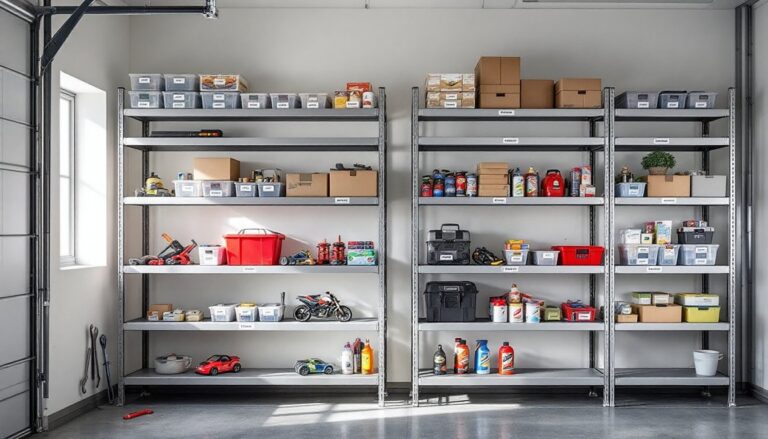
An outdoor kitchen is only as functional as its storage. Without a proper place to stash grilling tools, plates, glassware, and seasonings, even the best patio setup feels chaotic. Outdoor kitchen storage cabinets are the unsung backbone of a well-organized entertaining space, they protect your gear from the elements while keeping everything within arm’s reach. Whether you’re building from scratch or upgrading an existing setup, choosing the right cabinet material, style, and placement can make the difference between a clutter-free oasis and a weather-beaten mess. This guide walks you through selecting, installing, and maintaining outdoor kitchen storage cabinets that’ll serve your patio for years to come.
Table of Contents
ToggleKey Takeaways
- An outdoor kitchen storage cabinet protects grilling tools, dinnerware, and accessories from UV damage, moisture, and pests while keeping your patio organized and polished.
- Choose stainless steel (Grade 304 or 316) for coastal and high-moisture environments, or weather-resistant polymers for a lighter, affordable option requiring minimal maintenance.
- Position your storage cabinet within arm’s reach of the grill with 6–12″ clearance from heat sources, ensure a level base, and anchor it securely to prevent tipping and water pooling.
- Outfit the interior with adjustable shelves, drawer dividers, door-mounted storage, and weatherproof containers to maximize organization and prevent items from shifting.
- Maintain your cabinet seasonally: wipe stainless steel monthly, rinse polymer finishes quarterly, inspect hardware twice yearly, and replace degraded seals to ensure decades of durability.
Why Outdoor Kitchen Storage Matters for Your Patio Setup
An outdoor kitchen without storage is like a workshop without a toolbox, everything ends up scattered or left exposed to rain, sun, and salt air. Dedicated storage keeps your space functional and organized, extending the life of your tools and accessories. Beyond practicality, proper cabinetry defines zones in your patio, separates prep areas from dining spaces, and makes entertaining flow naturally. Storage cabinets also protect items from UV damage, moisture, pests, and temperature swings that wreak havoc on metal and fabric. When you can tuck away charcoal, propane tanks, linens, and dinnerware out of sight, your patio looks intentional and polished, not like someone’s garage spilled onto the deck. Most homeowners underestimate how much “stuff” accumulates around a grill area: tongs, brushes, thermometers, plates, cups, napkins, bug spray, cleaning supplies. Without a home for these items, they migrate indoors or pile up on counters. The right cabinet system solves this problem and makes entertaining stress-free.
Choosing the Right Cabinet Material for Durability
Material choice determines whether your cabinet lasts three seasons or ten. Outdoor cabinets face UV exposure, moisture, temperature swings, salt spray (if you’re coastal), and constant sun bombardment. This narrows your options significantly, particle board and standard plywood won’t survive outdoors. You’ll hear about stainless steel, powder-coated steel, marine-grade polymers, and marine plywood, each with trade-offs in durability, cost, and maintenance.
Stainless Steel vs. Weather-Resistant Polymers
Stainless steel is the premium choice for coastal and high-moisture environments. It resists corrosion, won’t rot, and handles temperature extremes without warping. Grade 304 stainless is industry standard for outdoor use: grade 316 (with molybdenum added) offers even better salt-air resistance if you’re near the ocean. The downsides: weight (you may need help installing), cost ($200–$500+ per cabinet), and fingerprint visibility. Stainless requires regular wiping to stay pristine: chlorine, salt, and acidic residue can cause spotting if left to sit.
Weather-resistant polymers, including high-density polyethylene and polypropylene composites, offer a lighter, more affordable middle ground ($150–$350 per cabinet). They won’t rot, splinter, or corrode: won’t dent as easily as thin steel: and require minimal maintenance beyond occasional hosing down. The trade-off is they’re slightly less rigid than metal, so shelf capacity may be lower, and direct UV exposure can fade color over time (though modern marine-grade versions hold up well). Some homeowners prefer the polymer look and feel: others find it less premium than stainless.
Plywood and composite bases (like Trex) work if sealed with marine-grade sealant and paired with stainless hardware, but they require more vigilant maintenance. Galvanized steel is affordable and rust-resistant but will eventually show surface oxidation and looks industrial, fine if that’s your aesthetic. Choose stainless if budget allows and corrosion is a concern: choose polymer if you want durability with less fuss and a lower price tag.
Cabinet Styles and Designs That Complement Your Outdoor Space
Your cabinet’s appearance should mesh with your patio’s overall design, not look like you wheeled in a storage shed. Think of cabinetry as a design anchor, it’s visible year-round, so it’ll shape how your space feels.
Modern/minimalist cabinets feature clean lines, flat-front doors, and neutral finishes (stainless, white, or charcoal). They pair well with contemporary outdoor kitchens and tend to photograph well. Simple hardware and no ornamentation make cleaning easier and suit sleek grill islands.
Traditional styles include raised-panel doors, decorative trim, and warmer finishes (teak stain, bronze powder coat). These cabinets suggest craftsmanship and work nicely with rustic or transitional patios. They’re less common in off-the-shelf outdoor options but more common in custom-built setups.
Modular/mixed materials combine stainless steel doors with wood accents or mix polymer sides with stone countertops. This hybrid approach lets you customize the look without committing to one material. Many homeowners find design inspiration on Houzz or follow outdoor kitchen ideas to see how cabinets fit into broader patio schemes.
Size matters too. A single-door cabinet (24–30″ wide) suits tight spaces and supplies: double-door or bank configurations (36–60″+ wide) anchor larger islands and hold more gear. Height should align with your countertop and grill height, typically 36″ for countertops, 42″ if you like a bar-top feel. Drawer inserts and open shelving (versus fully enclosed) can break up a solid cabinet face and let you showcase nice glasses or matching cookware.
Don’t overlook finish and color. Dark finishes hide fingerprints and dirt: light finishes brighten a shaded patio but show every splash. Powder coat finishes come in nearly any color and are more durable than painted steel in direct sun.
Installation and Placement Tips for Maximum Functionality
Placement is everything. A poorly sited cabinet creates workflow problems and looks awkward. Position storage within arm’s reach of your grill and prep area, you don’t want to sprint back to grab tongs mid-cook. Leave at least 6–12″ clearance between the cabinet and grill to prevent heat damage and allow safe access. If your cabinet has a wood base or composite back, face it away from direct grill heat: stainless can take more direct exposure but will discolor slightly if constantly exposed to high temperatures.
Ensure your base is level. An out-of-level patio is common, but a tilted cabinet won’t close properly and shelves will shift. If you’re placing it on pavers or existing decking, check the area with a level before installation. Some homeowners add metal shims or footpads to account for uneven ground. For permanent placement, anchor the cabinet to the deck or patio with stainless bolts (if permitted by the deck structure) or use a stabilizing base kit, this prevents tipping if someone leans on an open door or during wind events.
Consider water drainage. Position cabinets so water doesn’t pool behind or underneath them, this promotes rust and mold. Lift bottom edges slightly with feet or shims to allow airflow. If placing against a wall, leave 1–2″ clearance for air circulation. Roof overhangs are ideal, as they reduce UV and water exposure. Exposed locations need waterproof door seals and adequate drainage paths.
Follow any local codes about built-in appliances and permanent outdoor structures. Some jurisdictions require permits for fixed cabinetry in patio areas: others don’t. Propane tank storage has specific codes (distance from structures, ventilation), so check with your local building department if you’re storing a tank in the cabinet. Electrical work (if you plan outlets or lighting in the cabinet) definitely requires permits and licensed installation in most areas.
Storage Organization Systems Inside Your Cabinet
A cabinet shell is useless without smart interiors. Think through what you’re storing before buying, then outfit the inside to match.
Shelves should be adjustable to accommodate tall bottles, plates, and gear of different heights. Stainless or powder-coated steel shelves are more durable than wood: if using wood shelves, seal them with marine-grade polyurethane. Space shelves 10–12″ apart for glasses and small bottles: 14–16″ for dinnerware and cookware. Don’t overload, check your cabinet’s weight rating: most are rated for 50–100 lbs. per shelf.
Drawer dividers and pull-out baskets organize loose items (spatulas, tongs, brushes, seasonings) and prevent rummaging. Stainless mesh baskets won’t rust: plastic baskets are lightweight but fade in UV light. Drawer slides should be stainless or coated steel to resist moisture.
Door-mounted storage (hooks, racks, small shelves) maximizes space without sacrificing shelf capacity. Mount a small rack for hanging towels or a hook for a trash bag on the inside of a door.
Weatherproof containers (stainless or plastic) corral smaller items like napkins, seasonings, or cleaning supplies. Clear containers let you see what’s inside without opening every shelf.
Vertical dividers inside the cabinet keep platters and cutting boards from sliding around. These also make retrieving a single item easier.
Leave 4–6″ of top clearance inside tall cabinets to avoid trapping moisture. Airflow prevents mildew and rust, so don’t pack shelves wall-to-wall. For a detailed take on how outdoor kitchens should be organized, designers at Sunset Magazine that extend into cabinetry planning.
Label shelves or create a simple inventory list posted on the inside of the door. This reduces guessing and helps guests (and you) know where things live.
Maintenance and Weatherproofing Your Investment
A well-maintained cabinet lasts decades: a neglected one corrodes and warps within years. Seasonal maintenance isn’t onerous but must be consistent.
Stainless steel needs monthly wiping with a soft cloth and mild soap and water. In coastal areas, increase to weekly. Once or twice yearly, apply a stainless-specific protectant or light oil to repel salt spray. Use a soft-bristle brush to remove salt buildup: never use abrasive scrubbers that scratch the finish. Chlorine from cleaning supplies can pit stainless, so rinse thoroughly after any contact.
Polymers and painted finishes benefit from quarterly rinses with a garden hose to remove dirt, pollen, and salt residue. Avoid pressure washers above 1500 PSI: high pressure can damage seals and finishes. For stubborn grime, use warm soapy water and a soft brush. UV fading is normal: consider an outdoor cabinet cover or shade cloth in intense sun climates.
Wooden components or composite bases require annual sealing with marine-grade polyurethane or epoxy. Check seals before winter: reapply if you see cracking or peeling. Mold and mildew love wood in humid climates, improve airflow by leaving cabinet doors cracked open when not in use, or install small vents.
Hardware and hinges should be inspected twice yearly. Tighten loose bolts and lubricate hinges with silicone spray (not oil-based, which attracts dirt). Replace corroded or rusty fasteners immediately with stainless replacements.
Door seals and gaskets degrade over time, especially in UV-heavy areas. If doors no longer seal tightly, water and pests creep in. Replacement gaskets are inexpensive: swap them out when you notice gaps.
Winter prep (in freezing climates) includes draining any plumbing lines in or near the cabinet, removing propane tanks, and closing doors loosely to allow airflow (prevents condensation trapping). In spring, inspect for freeze damage or corrosion before opening for the season. Free DIY plans and beginner woodworking guidance from Ana White can help if you’re building a wood-and-stainless hybrid cabinet and need sealing advice.
Get Your Patio Organized This Season
An outdoor kitchen storage cabinet transforms a scattered entertaining space into an organized, functional zone. Invest in materials suited to your climate, stainless steel if you’re coastal or humidity-prone: polymer or coated steel if you want affordability and ease. Place it strategically near your grill, keep it level and anchored, outfit the interior thoughtfully, and commit to seasonal maintenance. A well-chosen cabinet pays dividends every time you entertain, and it’ll look sharp doing it.